Introduction:
The year 1968 marked a pivotal moment in the civil rights movement with the tragic assassination of Dr. Martin Luther King Jr. His death sent shockwaves across the nation, and Ira Harris’s “Brown-Skinned Boy” provides a powerful lens through which we can examine the personal and collective impact of this watershed moment. This blog delves into the echoes of Dr. King’s assassination in the narrative, exploring how it influenced the protagonist, their family, and the broader community while navigating the tensions between nonviolent resistance and the harsh reality of systemic violence.
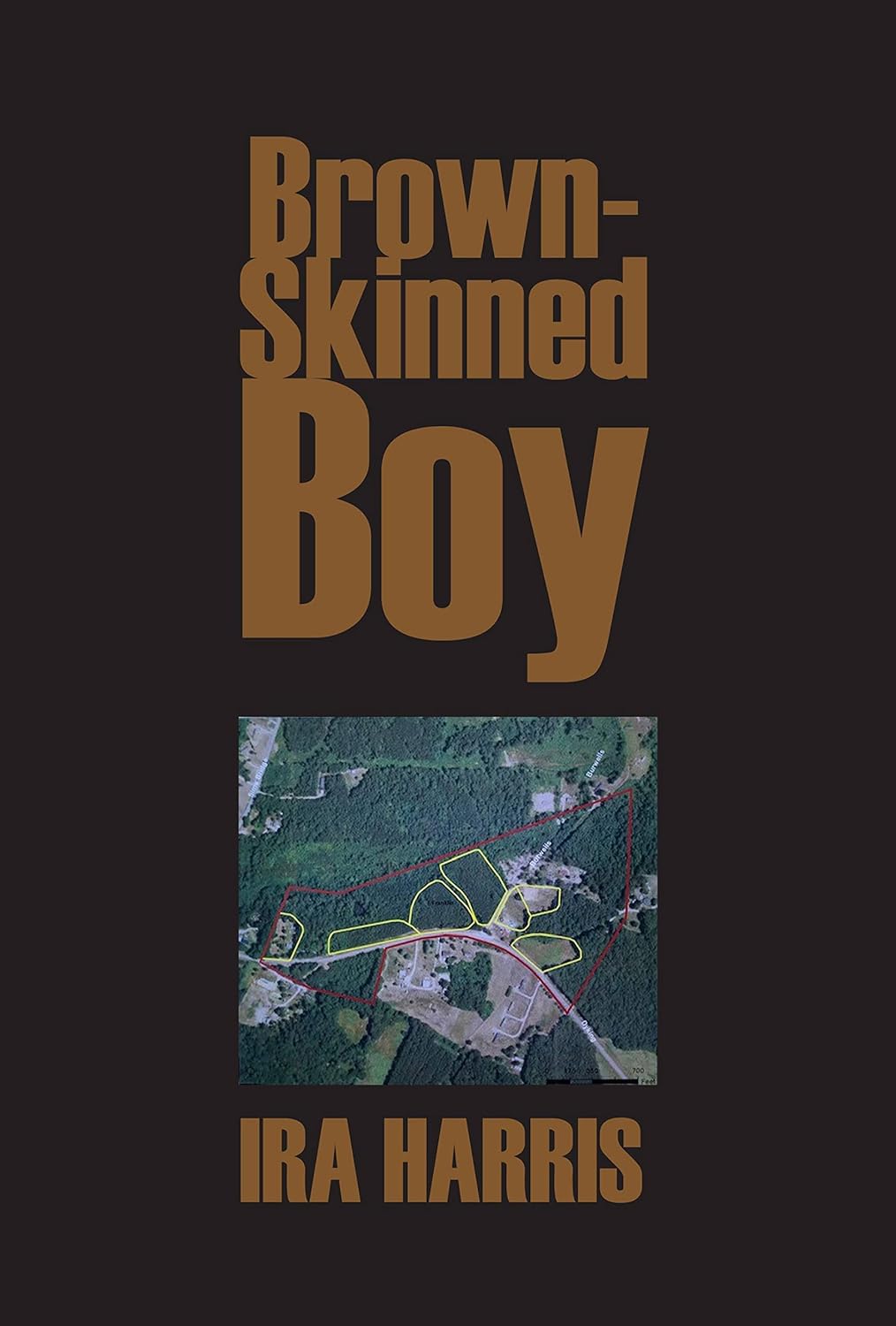
A Nation in Mourning:
Dr. King’s assassination was a seismic event that reverberated far beyond the walls of the Lorraine Motel in Memphis. Harris’s narrative captures the collective grief that enveloped the nation, reflecting on how the news of King’s death impacted the characters in “Brown-Skinned Boy.” The protagonist, their family, and the community grapple with a profound loss, and the author skillfully weaves a tapestry of mourning that mirrors the sentiments of countless African Americans during that tumultuous time.
The Shattered Dream:
King’s vision of a just and equal society seemed within reach, and his assassination shattered the dream of swift and unimpeded progress. “Brown-Skinned Boy” explores how the protagonist, fueled by the ideals of Dr. King, confronts the harsh reality that the fight for civil rights is far from over. The shattered dream becomes a rallying cry, pushing characters to reassess their roles in the ongoing struggle for justice.
Tensions between Nonviolence and Systemic Violence:
Dr. King’s commitment to nonviolent resistance was a cornerstone of the civil rights movement, yet his assassination underscored the harsh reality of systemic violence. “Brown-Skinned Boy” navigates the tensions arising from the contradiction between the philosophy of nonviolence and the brutal act that silenced one of its most prominent advocates. The characters grapple with the question: Can a movement rooted in peace endure in the face of such devastating violence?
Personal Reflections and Activism:
The blog explores the intimate reflections of the protagonist in “Brown-Skinned Boy” as they process the impact of Dr. King’s death on a personal level. Harris’s narrative delves into how this moment prompts characters to reflect on their roles in the larger fight for civil rights. The protagonist’s internal journey becomes a microcosm of the collective introspection occurring within the broader African American community.
Community Resilience and Unity:
In the face of adversity, “Brown-Skinned Boy” depicts the resilience and unity within the community. Dr. King’s assassination becomes a catalyst for collective action and solidarity. The characters find strength in each other, recognizing that the struggle for justice is a shared burden. Harris illuminates the power of community support as a source of resilience during trying times.
Conclusion:
“Brown-Skinned Boy” masterfully explores the personal and collective impact of Dr. King’s assassination, offering readers a nuanced portrayal of grief, reflection, and resilience. Through the characters’ experiences, Ira Harris paints a vivid picture of a community grappling with the harsh realities of systemic violence while holding onto the dream of a more just and equal future. The echoes of Dr. King’s legacy resonate in every page, urging readers to reflect on the ongoing pursuit of civil rights and equality.