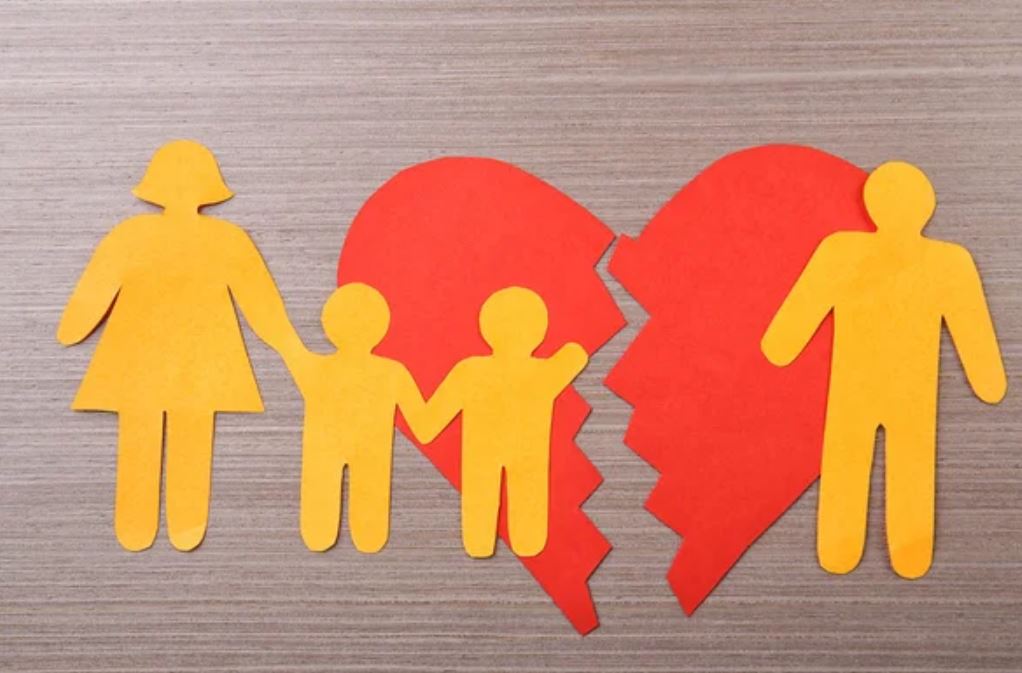
Forceful family separation is an extremely depressing thing to go through. The unknown that follows while being forced away from your family is both mentally and physically exhausting. This concept is explicitly discussed in the memoir Brown-Skinned Boy by Ira Harris. The desegregation laws in the states during the Jim Crow era had forced many families apart, and Ira Harris’s personal account only adds to the genuinity of this topic.
The Pain of Forced Separation
During the era of desegregation, policies and practices often forced African-American families to endure painful separations. Harris’s own experiences highlight the heartbreak and disruption that these policies caused.
1. School Integration: One of the central elements of desegregation was the integration of schools. While this was a significant step toward racial equality, it often meant that children were separated from the schools they had attended, the friends they had grown up with, and sometimes even their siblings. Harris’s account vividly portrays the challenges of this forced separation, as families had to navigate new educational environments and deal with the emotional toll it took on their children.
2. Urban Renewal and Housing Policies: Urban renewal projects and housing policies frequently displaced African-American communities, tearing apart neighborhoods and separating families. The destruction of vibrant communities that had been centers of support and identity created profound emotional upheaval for those affected.
3. Economic Disparities: Economic disparities resulting from systemic racism further exacerbated family separation. Men often had to leave their families behind to find work in distant cities, contributing to the breakdown of traditional family structures.
The Long-Lasting Effects
The emotional trauma inflicted by family separation during desegregation had lasting effects on individuals and communities.
1. Psychological Scars: Many who experienced family separation during desegregation carry psychological scars from that time. The trauma of being torn away from loved ones or witnessing their forced removal left indelible marks on their psyches. Feelings of abandonment, anger, and sadness can persist throughout a person’s life.
2. Disrupted Communities: The policies that led to family separation also disrupted the cohesiveness of African-American communities. The loss of community support networks and the fracturing of social bonds had profound consequences for the collective well-being of these communities.
3. Educational Impact: The disruption of families often had a direct impact on the educational outcomes of children. Students who were forcibly moved to new schools often faced challenges in adapting to unfamiliar environments, which could affect their academic performance and long-term prospects.
4. Economic Struggles: Families separated by economic disparities often faced ongoing financial struggles. The absence of a parent due to work-related separation could lead to a lack of emotional and financial support, perpetuating cycles of poverty.
A Call for Healing and Understanding
As we reflect on the painful legacy of family separation during desegregation, it is essential to acknowledge the enduring emotional toll it took on individuals and communities. It is a stark reminder of the sacrifices made in the pursuit of civil rights and equality.
Moreover, this history should serve as a call to action. We must work to heal the wounds of the past by acknowledging the pain that family separation caused and by fostering understanding and empathy. The stories like those shared by Ira Harris should be woven into our national narrative, ensuring that future generations are aware of the struggles and sacrifices made for progress.
In the face of ongoing challenges related to racial equality and justice, we must remember the emotional toll of family separation during desegregation as a testament to the resilience of individuals and communities. By acknowledging this painful history, we can better appreciate the importance of unity, empathy, and the ongoing struggle for a more just and equitable society.