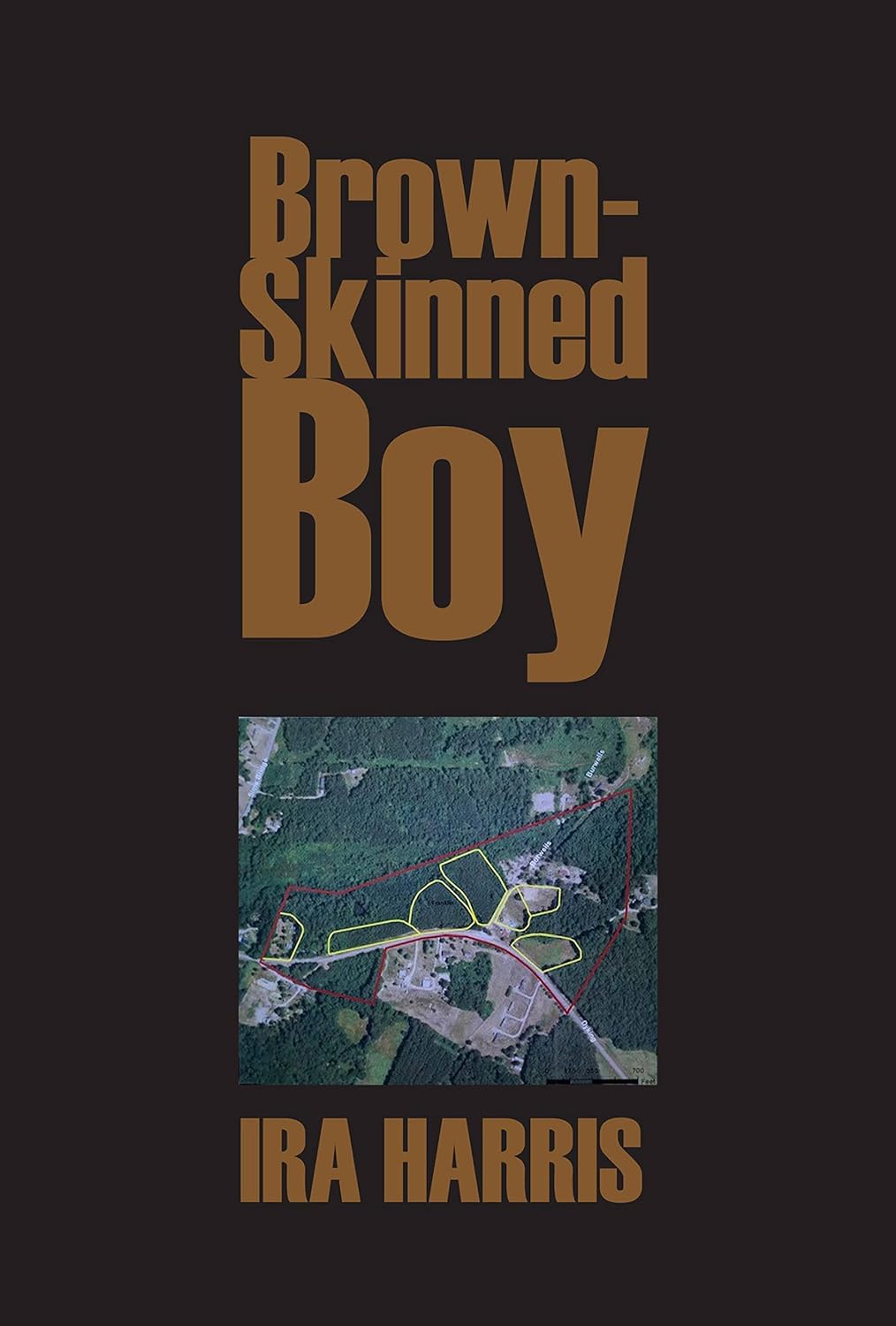
In Ira Harris’s “Brown-Skinned Boy,” readers are transported to a world that not only tells the story of individual lives but also offers a broader perspective on the historical black towns in the United States. These towns, born out of necessity and a desire for freedom, become characters in themselves, shaping the experiences and resilience of the novel’s protagonists.
Origins and Formation:
Historical black towns were born from the determination of black individuals to establish communities free from the constraints of segregation. In “Brown-Skinned Boy,” we witness the characters navigating the challenges of a world divided by racial lines, mirroring the real struggles faced by those who sought to create spaces where they could thrive on their own terms.
Challenges Faced:
Harris paints a vivid picture of the multifaceted challenges these communities faced. Economic hardships, social tensions, and the looming specter of systemic racism all played a role in shaping the resilience of historical black towns. This mirrors the reality of many such communities, where the journey to autonomy was fraught with obstacles.
Community Resilience in “Brown-Skinned Boy”:
Within the pages of “Brown-Skinned Boy,” the characters embody the resilience that defines historical black towns. Whether overcoming economic adversity or standing against social injustices, the community comes together, demonstrating the strength that arises when individuals unite with a shared determination to thrive despite the odds.
Education and Empowerment:
Education emerges as a powerful force within historical black towns, a theme echoed in “Brown-Skinned Boy.” These communities recognized the transformative potential of education, empowering individuals to navigate a world marked by systemic challenges. Characters in the novel embark on personal journeys of learning, emphasizing the importance of knowledge in the face of adversity.
Legacy and Impact:
The legacy of historical black towns extends beyond physical boundaries, shaping subsequent generations and fostering a profound sense of identity and pride. “Brown-Skinned Boy” reflects this enduring impact, illustrating how these communities, though fictionalized, continue to inspire resilience and serve as beacons of empowerment. As we explore the narrative of “Brown-Skinned Boy,” we not only witness the personal stories of its characters but also gain insight into the profound significance of historical black towns. Through their formation, the challenges faced, and the resilience displayed, these communities become a testament to the enduring spirit of black excellence and community empowerment that continues to shape the narrative of American history.